- (765) 439-6790
- 845 N 1000 W,, Centerville, UT 84014
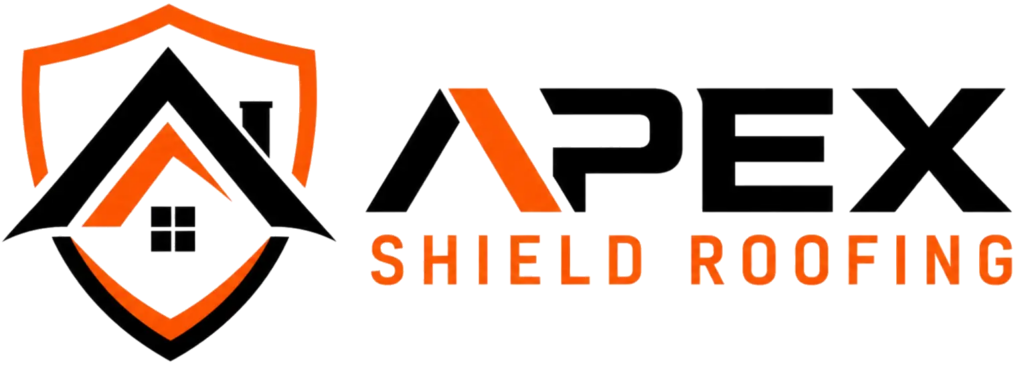
When you are managing a commercial property, you cannot afford to worry about what is happening above your ceiling tiles. For low-slope roofing across the Miami Valley, ethylene propylene diene monomer—commonly known as EPDM—remains one of the most dependable shields against the elements. This synthetic rubber single-ply membrane has protected commercial buildings in Centerville for decades because it handles our intense seasonal temperature swings without cracking.
Choosing the right setup for your facility comes down to your specific roof deck substrate and budget. A fully adhered system uses heavy-duty bonding adhesive to secure the rubber directly to the insulation board, offering superior wind uplift resistance. If you are looking for a faster, more cost-effective installation, a mechanically fastened membrane might fit, while a ballasted EPDM system uses heavy river stone to hold the loose-laid membrane in place. We generally recommend a membrane thickness of 60 mil over the thinner 45 mil option, as the extra thickness dramatically improves puncture resistance and qualifies your property for longer manufacturer warranties.
The real secret to a dry building lies in the details, particularly around your flat roof drainage and perimeter flashings. Over time, thermal movement can cause rubber to shrink, putting immense stress on the perimeter. That is why our crew takes extra care when applying seam tape and EPDM splice adhesive. We make sure every lap joint is chemically bonded to prevent water from creeping under the membrane during heavy spring downpours. By focusing on these critical transition areas, we help you avoid the hidden leaks that quietly destroy decking and disrupt your daily business operations.
Ethylene propylene diene monomer (EPDM) remains the workhorse of low-slope roofing for good reason. Unlike steep-slope residential structures, flat commercial roofs must endure standing water, intense solar radiation, and constant thermal movement. When our crew installs a fully adhered system on your facility, we lay down a heavy-duty single-ply membrane that stretches and contracts naturally as Ohio weather swings from freezing winter nights to scorching summer afternoons. This natural elasticity prevents the premature cracking and splitting that plagues older asphalt-based systems.
For those managing commercial buildings in Centerville, managing flat roof drainage is always a top priority. We typically recommend upgrading to a membrane thickness of 60 mil to provide superior puncture resistance over standard 45-mil options. By using high-strength EPDM splice adhesive and heavy-duty seam tape, we seal every junction, curb, and pipe penetration. This meticulous approach ensures your roof deck substrate stays dry, preventing structural rot and protecting the valuable inventory or machinery housed inside your property. In a direct TPO comparison, EPDM offers unmatched flexibility in cold temperatures, making it highly reliable for our local climate.
EXCEPTIONAL UV RESISTANCE — The synthetic rubber compound naturally withstands decades of intense sunlight without drying out or cracking.
THERMAL FLEXIBILITY — EPDM expands and contracts easily during Ohio's rapid temperature shifts, preventing splits at the seams.
PROVEN LONGEVITY — A properly installed 60-mil membrane often delivers over thirty years of reliable service with minimal maintenance.
COST-EFFECTIVE REPAIRS — Unlike complex multi-layer roofs, punctures in single-ply rubber are easily patched with specialized adhesive and primer.
RELIABLE SEAM INTEGRITY — We use heavy-duty seam tape and splice adhesives to lock down overlapping sheets against wind uplift.
A professionally installed ethylene propylene diene monomer system, often referred to simply as EPDM Roofing, typically lasts 25 to 30 years on commercial buildings. However, Centerville’s severe freeze-thaw cycles put intense stress on low-slope roofing. Over the winter, water can seep into tiny gaps and expand, which slowly degrades seam tape and EPDM splice adhesive. To reach that 30-year mark, you need regular inspections to catch these issues early. We recommend checking the flat roof drainage and perimeter flashings every spring. If you manage commercial properties in Centerville, scheduling proactive maintenance prevents minor seam separations from turning into costly interior leaks.
When comparing flat roof options, the main difference comes down to material composition and installation. EPDM Roofing in Centerville uses a synthetic rubber single-ply membrane that excels at handling thermal movement. It stretches and contracts without cracking, offering exceptional UV resistance. TPO, on the other hand, is a thermoplastic membrane with hot-air welded seams. While TPO reflects more initial heat, EPDM is often more durable in regions with extreme temperature swings. For low-slope roofing, EPDM remains a reliable workhorse because it does not become brittle over time. The choice often depends on your building’s specific insulation setup and energy goals.
For most commercial applications, we recommend specifying a 60-mil membrane thickness rather than the thinner 45-mil option. While 45-mil has a lower upfront material cost, it is far more vulnerable to punctures from hail or dropped tools during HVAC service. A 60-mil EPDM Roofing system is the standard required for most manufacturer-backed NDL (no-dollar-limit) warranties on commercial properties in Centerville. Additionally, how we attach the system drives the final price. A fully adhered system requires more labor and adhesive than a mechanically fastened membrane, but it offers superior wind uplift resistance. We always provide a detailed written scope explaining these trade-offs before any work begins.
Yes, local building departments require a permit for commercial EPDM Roofing replacement projects in Centerville. According to the rules enforced by the City of Centerville Building Department, you are generally limited to a maximum of two roofing layers before a complete tear-off is legally mandated. Installing a new single-ply membrane over an existing wet or failing system is a recipe for structural rot. We always perform core sampling to verify the condition of your underlying roof deck substrate. This ensures your building complies with local Ohio building codes and guarantees the new insulation board has a solid, dry foundation.
Flat roof leaks do not wait for a convenient budget cycle. If your building is showing signs of seam separation, membrane shrinkage, or pooling water after a heavy Miami Valley rain, putting off a professional assessment only invites costly interior damage to your inventory and electrical systems. We can perform a thorough core sample test to determine whether your current system requires a targeted repair or a complete replacement.
Let us discuss your building’s specific needs, from choosing between a 45-mil or 60-mil membrane thickness to selecting the right attachment method for your structure. Contact our team in Centerville today to schedule an on-site inspection and secure a transparent, manufacturer-backed solution for your facility.
When you manage a commercial facility, you cannot afford to hire a general roofing contractor who treats low-slope systems as an afterthought. At Apex Shield Roofing, we specialize in flat roof systems, specifically ethylene propylene diene monomer (EPDM) installations. Unlike national chains that subcontract their labor to the lowest bidder, our in-house crews are fully trained in handling the precise detailing required for a fully adhered system or mechanically fastened membrane. We understand how Ohio’s intense freeze-thaw cycles stress seam tape and EPDM splice adhesive, which is why we never cut corners on material thickness or bonding agents.
Choosing us means you are partnering with a locally owned business that holds active Ohio contractor registration and comprehensive liability coverage. Our experienced technicians carry OSHA certifications and receive continuous training on flat roof drainage and substrate preparation. We do not just slap a new single-ply membrane over wet insulation; we perform core sampling and thorough inspections to ensure your roof deck substrate is structurally sound. Whether you need a full replacement or targeted seam repair, Apex Shield Roofing provides clear, upfront pricing and manufacturer-backed NDL warranty options that generic break-fix shops simply cannot offer.
Flat roofs on commercial buildings face relentless environmental stress. In our region, the intense freeze-thaw cycles of winter can cause lesser materials to crack, split, or pull away from perimeter walls. Choosing a heavy-duty ethylene propylene diene monomer single-ply membrane is one of the most reliable ways to safeguard your inventory, equipment, and operations. This synthetic rubber compound naturally accommodates thermal movement, expanding and contracting as temperatures swing from sub-zero winter nights to scorching summer afternoons without losing its structural integrity.
When we design an EPDM system for commercial properties here in Centerville, we focus heavily on the details that prevent catastrophic water intrusion. A slow, undetected leak along a seam can rot out your roof deck substrate long before water drips onto your warehouse floor. That is why we recommend a membrane thickness of 60 mil over the cheaper 45 mil option for long-term commercial applications. We secure these systems using a fully adhered system with high-grade EPDM splice adhesive and heavy-duty seam tape, creating a unified, monolithic barrier. While a mechanically fastened membrane or ballasted EPDM has its place, a fully adhered system offers superior wind uplift resistance when storms roll through the Miami Valley.
Proper flat roof drainage is the final piece of the puzzle. Standing water is the enemy of any low-slope roofing system, and Ohio building codes mandate specific slope and drainage capacities to prevent structural overloading. By investing in a professionally engineered EPDM installation, you ensure that water moves efficiently toward your drains and scuppers rather than pooling on your membrane. This proactive approach prevents premature degradation of the rubber, protects your manufacturer warranty, and keeps your facility compliant with local safety standards.
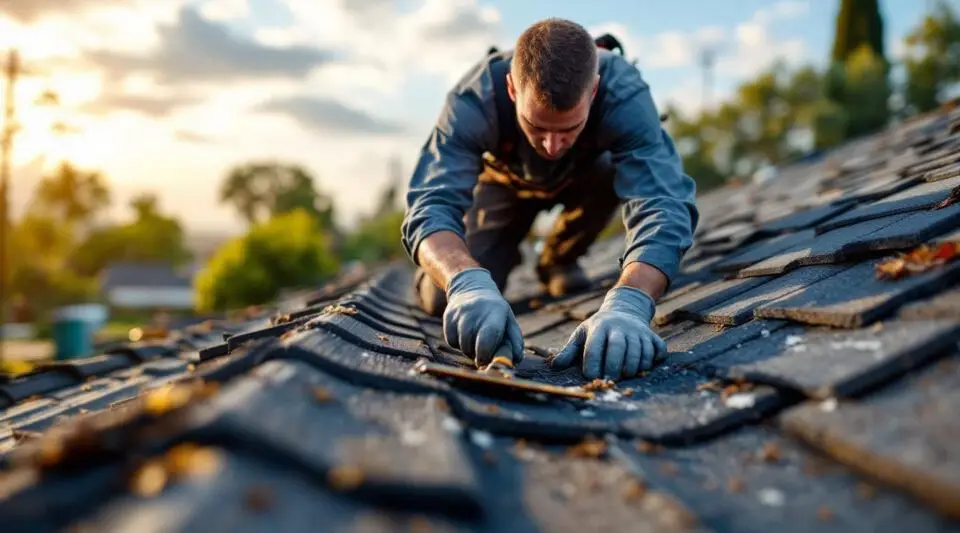
Managing a commercial property means balancing long-term durability against upfront capital expenditure.
Learn more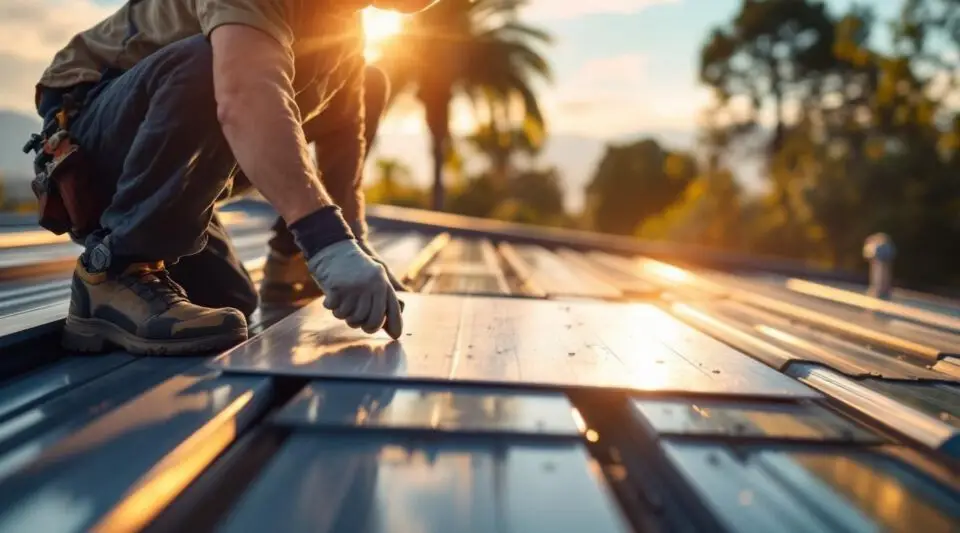
Centerville commercial properties face intense weather shifts, from freezing winters to baking summer heat.
Learn more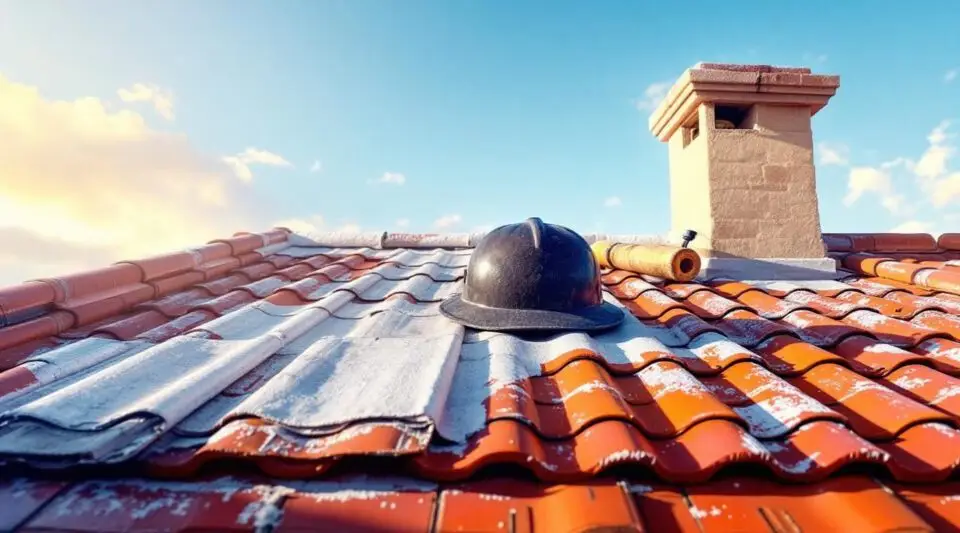
Commercial properties in Centerville demand roofing systems that command attention while enduring decades of intense weather.
Learn more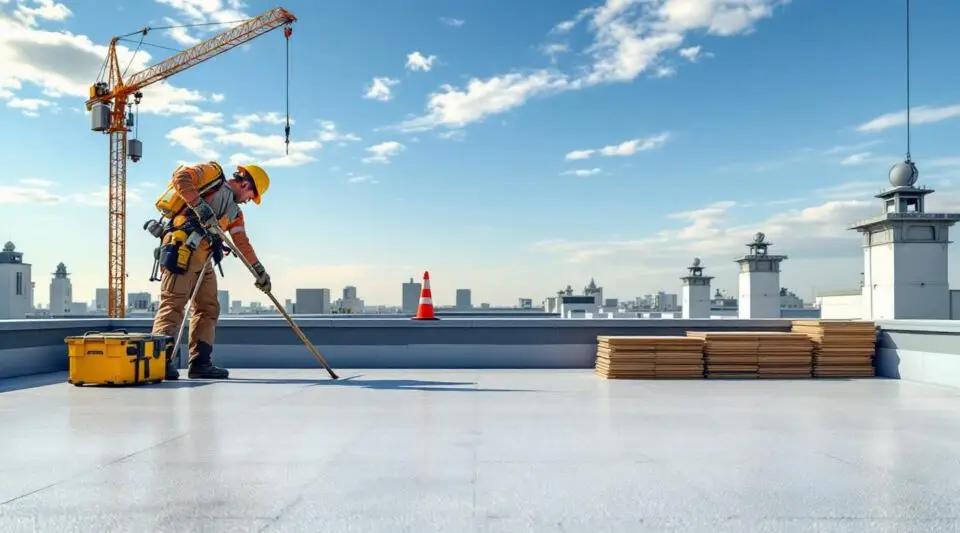
In Centerville, commercial properties face a demanding climate that tests the limits of low-slope roofing year after year.
Learn more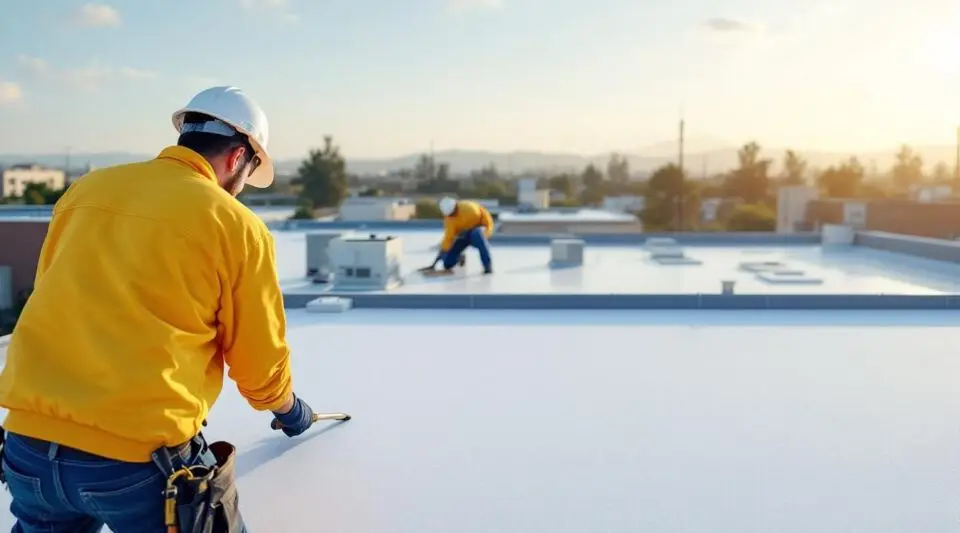
Commercial buildings in the Miami Valley face brutal weather swings, from humid Ohio summers to freezing winter cycles.
Learn more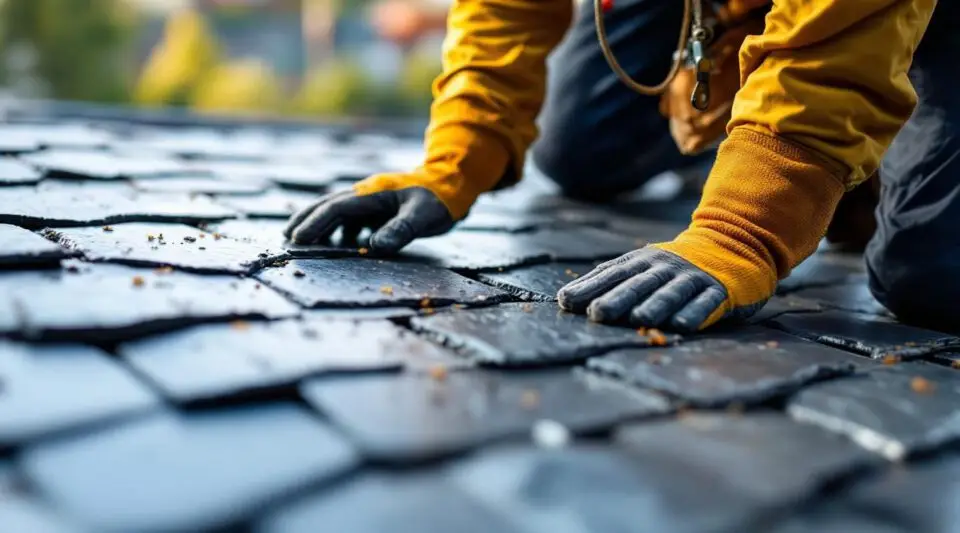
Commercial buildings carry unique architectural legacies, and nothing protects that heritage quite like a natural slate tile system.
Learn more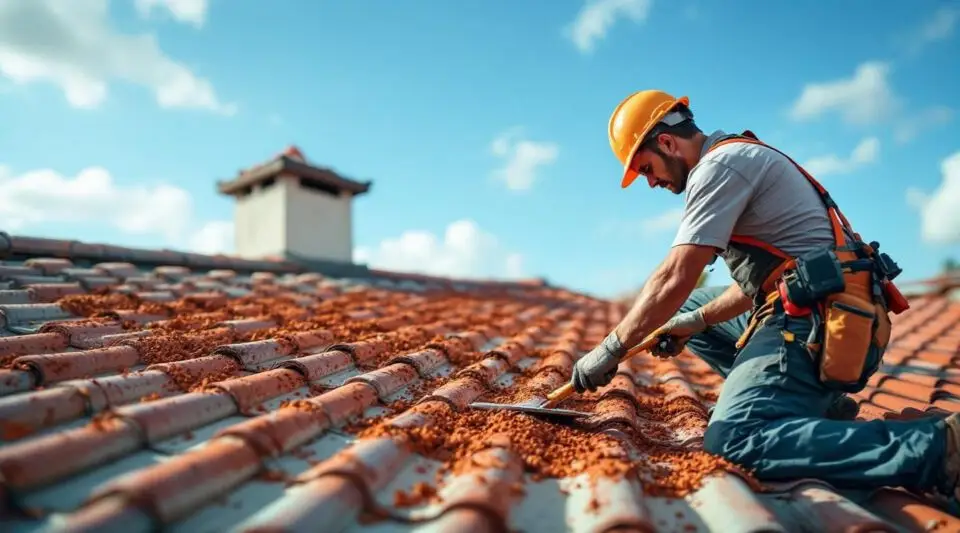
Clay tile isn't just an aesthetic choice; it is a multi-generational investment for commercial properties.
Learn more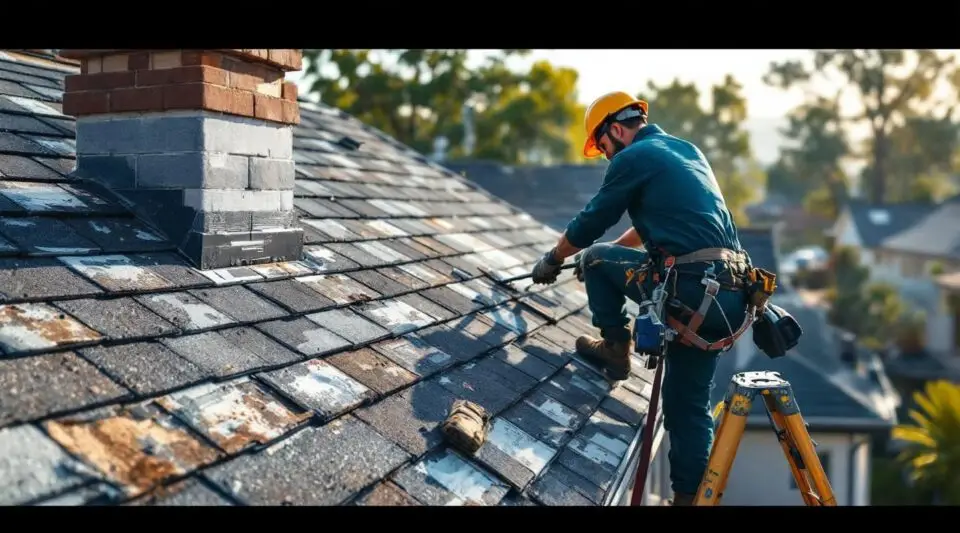
Managing a commercial property means balancing long-term durability against strict budget realities.
Learn more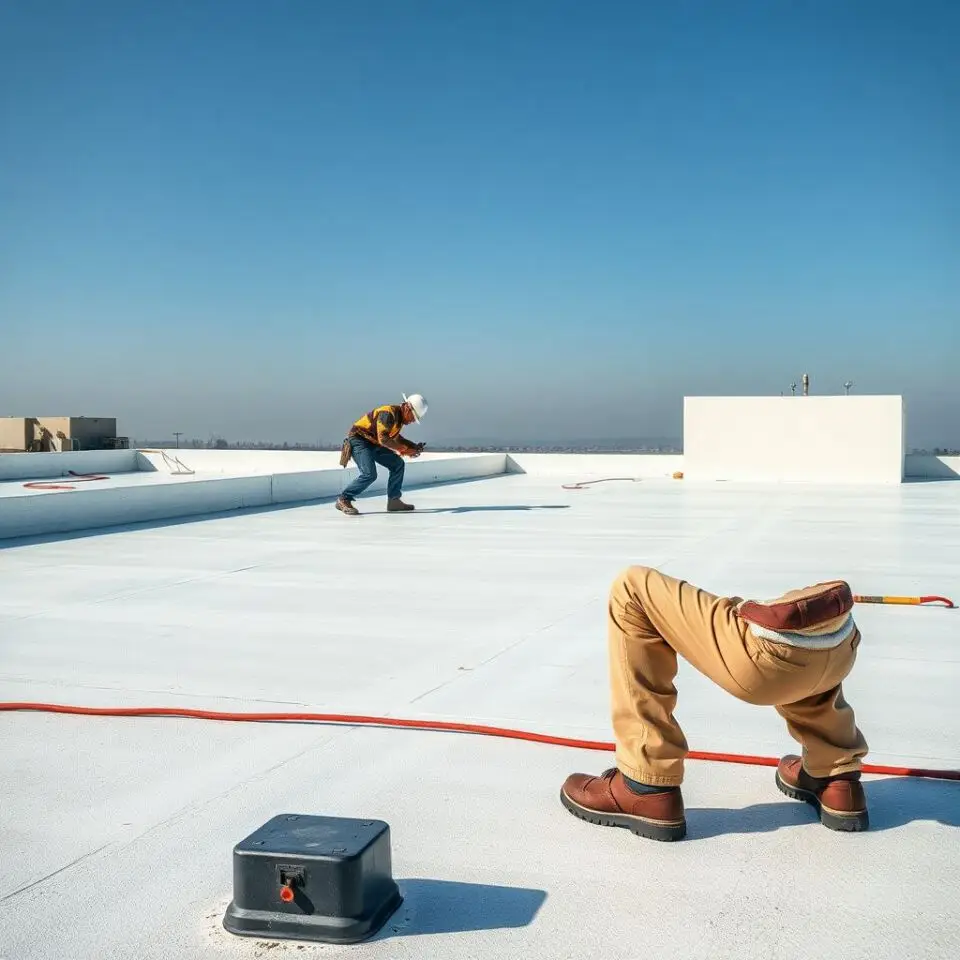
When water pools on a commercial roof, it doesn't take long to find a path inside.
Learn more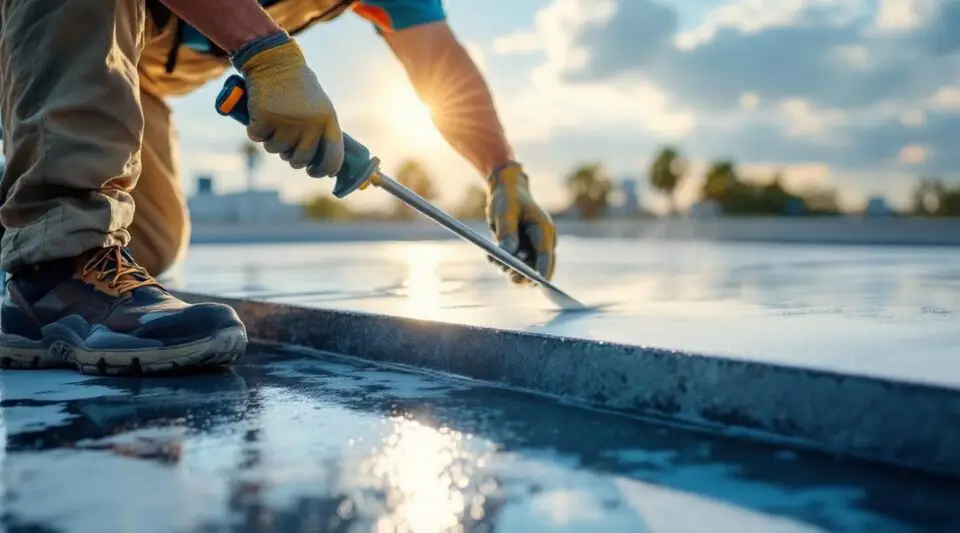
Flat and low-slope roofing systems on commercial buildings take a beating from Ohio's intense weather.
Learn moreWe had an issue with our roof leaking at the office, and they came in, replaced the shingles, and fixed the damage. Professional and reliable.
Beatrice Taylor
Santa Ana Roofing just put a new roof on our house. They gave a clear quote and a schedule that made sense. The workers worked hard every day and kept the job site clean. A professional put the roof on, and it looks great. Everything seemed easy and well-planned.
Anna Miller
This roofing company went above and beyond what I expected. They employed high-quality materials, kept us updated on the project's progress, and finished ahead of schedule. The new roof looks great, and I trust the work they did.
Debbie Land
We hired Santa Ana Roofing to fix our flat roof. They talked about the materials they used and made sure the sealing was done correctly. The process went well, and the results have stayed nice.
Linda Gregory
After getting a roof inspection, they recommended replacing the shingles. The job was done on time, and the new roof looks fantastic.
Angelia Eichelberger